- TOP
- Investor Relations
- CORPORATE GOVERNANCE
CORPORATE GOVERNANCE
Basic Views
It is considered essential for companies to enhance transparency in management and strengthen oversight functions in order to establish a sound corporate governance framework and achieve sustainable enhancement of corporate value.
The Group has established its Purpose as “Spark Innovation in the Hospitality Industry”. To realize this Purpose, it is necessary to conduct fair and transparent management and to contribute to shareholders and all other stakeholders, as well as to society, through sound profits generated from business activities. Accordingly, the strengthening of corporate governance, which forms the foundation of these efforts, is positioned as one of the most important management priorities.
Corporate Governance System
The Company has adopted the organizational structure of a Company with an Audit & Supervisory Board as stipulated under the Companies Act of Japan. Under this structure, the Company has established a governance framework centered on the Board of Directors, which is responsible for decision-making and supervision of management, and the Audit & Supervisory Board, which independently audits the execution of duties by directors.
The Company believes that achieving sustainable growth in the hospitality industry and realizing its Purpose require both swift management decision-making and robust and objective oversight functions. The Company therefore considers that combining management decisions made by directors with extensive knowledge of the business and supervision and audits from independent outside officers with diverse perspectives is the most effective way to ensure both the efficiency and soundness of management.
In addition to the clear supervisory and audit functions inherent in the structure of a Company with an Audit & Supervisory Board, the Company has established mechanisms through which independent outside Directors are substantively involved in the nomination and remuneration decision-making processes. Through these initiatives, the Company seeks to strengthen checks and balances on management and ensure transparency in corporate governance.
In light of the Group’s business characteristics and management environment, the Company believes that this governance structure is appropriate for ensuring effective corporate governance, and therefore has adopted this system.

Board of Directors
The Board of Directors makes decisions on important matters concerning the management policies of the Company and the Group and supervises the execution of duties by directors. The Board of Directors consists of eight members, including three Outside Directors.
In order to strengthen the supervisory function of the Board of Directors and enhance advisory functions for management while ensuring the soundness and transparency of management, the Company has designated all three Outside Directors as Independent Directors with the Tokyo Stock Exchange. Audit & Supervisory Board Members attend meetings of the Board of Directors in principle and provide advice and recommendations from an independent and professional perspective. Through this framework, the Company seeks to ensure the appropriateness and legality of the Board’s decision-making.
Policy and Procedures for the Nomination of Directors
In nominating candidates for directors, the Company comprehensively considers whether the candidate is capable of contributing not only to the Company but also to the development of the industry as a whole, as well as the candidate’s ability to accurately identify issues within the area under his or her supervision and appropriately address such issues. The Company also evaluates the candidate’s insight into compliance and corporate ethics. The nomination of director candidates is carried out by the Representative Director, Chairman, and the Representative Director, President after taking into consideration the opinions of the Advisory Committee, which is primarily composed of Independent Outside Directors and Outside Audit & Supervisory Board Members. The Company’s views regarding the balance of knowledge, experience, and abilities of the Board of Directors as a whole, as well as diversity, are consistent with the policies applied in nominating director candidates.
In addition, in order to ensure the effective functioning of the Board of Directors, the Company has identified ten categories of knowledge, experience, and expertise required of directors and has developed a skills matrix. Director candidates are selected after considering an appropriate Board composition based on this matrix.
The Board of Directors

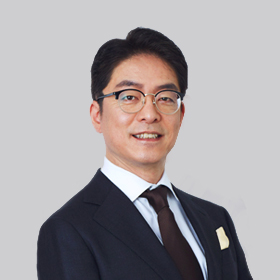
Yoshitaka Nojiri |
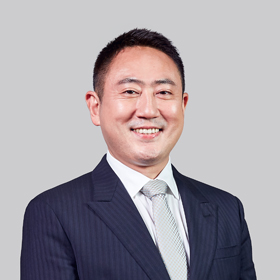
Kenji Iwase |
Takashi Miyamoto |
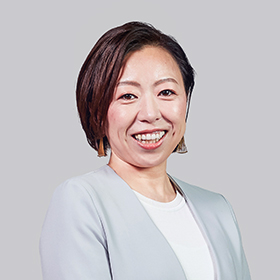
Tomomi Tsuchibuchi |
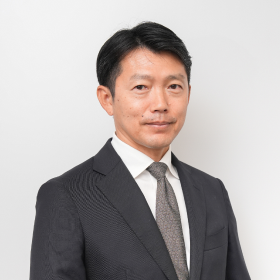
Tatsuji Wakabayashi |
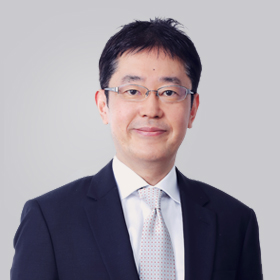
Susumu Akiyama |
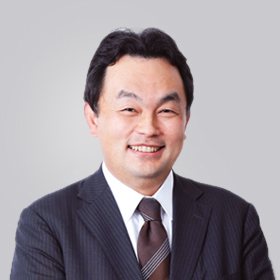
Komei Sasaki |
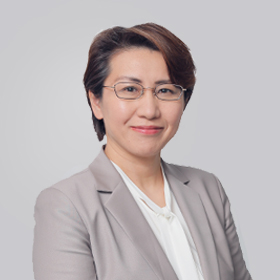
Maki Muraki |
|
|---|---|---|---|---|---|---|---|---|
| Position | Chairman and Representative Director | President and Representative Director | Director | Director | Director | Independent Outside Director | Independent Outside Director | Independent Outside Director |
| Years in Office | 27y5m | 16y9m | 4y9m | 3y9m | 9m | 11y9m | 9y9m | 3y9m |
| Board Attendance Rate *1 | 92.3% | 100% | 100% | 100% | 100% *2 | 100% | 100% | 100% |
| Skills and Experience | ||||||||
| Corporate Management | ● | ● | ● | |||||
| Business Inovation | ● | ● | ● | ● | ● | |||
| ESG & Sustainability | ● | ● | ● | ● | ||||
| Industry Experience | ● | ● | ● | ● | ||||
| Human Resources / Labor | ● | ● | ● | ● | ● | |||
| Marketing & Sales | ● | ● | ● | ● | ||||
| Real Estate Development | ● | ● | ||||||
| IT & Digital | ● | ● | ● | |||||
| Finance & Accounting | ● | ● | ||||||
| Legal & Risk Management | ● | ● | ● | |||||
| Skills and Experience | Definition |
|---|---|
| Management Experience | Experience or advanced expertise as a senior executive at another company or within our group, necessary to formulate and execute medium- to long-term growth strategies and effectively oversee the management team’s execution of business operations |
| Business Inovation | Expert knowledge of the business environment and market characteristics to generate new value in the hospitality industry and drive further growth and stable profits |
| ESG & Sustainability | Insight into diverse values to incorporate sustainability initiatives into various aspects of products and services and create new added value |
| Industry Experience | Expert knowledge of the business environment and market characteristics to generate new value in the hospitality industry and drive further growth and stable profits |
| Human Resources / Labor | Insight into human resources strategies to build an organization where diverse talent can thrive and grow, and where employee engagement is high |
| Marketing & Sales | Experience or insight to identify challenges arising from the diversification of customer values and to develop sales activities and marketing solutions. |
| Real Estate Development | Specialized expertise to drive business initiatives involving real estate planning and development, such as the expansion of boutique hotels, management contracts, and alliance partnerships |
| IT & Digital | Expertise in IT and digital technologies to expand and enhance services in existing businesses and to create new businesses and services |
| Finance & Accounting | Experience or advanced expertise in formulating and executing financial strategies to build a sound financial foundation, make appropriate investments for future business growth, and deliver shareholder returns in accordance with the Company’s policies |
| Legal & Risk Management | Expertise in corporate legal affairs and regulations, as well as risk management across various domains, to ensure the continuity of appropriate business activities and maintain highly distinctive corporate value |
*1 Results for FY2025
*2 Attendance rate since becoming a director
Reasons for the Appointment of Directors
| Name | Position and Significant Concurrent Positions | Reason for Appointment |
|---|---|---|
| Yoshitaka Nojiri |
Chairman and Representative Director of the Company Founder & Chief Executive Officer, TRUNK Co., Ltd. Chairman of the Board of Directors, Future Wedding Japan (General Incorporated Association) |
Since the company’s founding in October 1998, he has demonstrated strong leadership in enhancing corporate value, first as President and Representative Director and, since June 2010, as Chairman and Representative Director. We have appointed him to the Board of Directors, recognizing that his track record and capabilities remain essential to the management of our Group. |
| Kenji Iwase |
President and Representative Director of the Company President and CEO, GENTLE Co., Ltd. |
He has been involved in the wedding business for many years as its head, possessing extensive experience and a proven track record. Furthermore, as he is currently serving as President and Representative Director and effectively managing the operations of all departments, the Board has appointed him to continue serving as a Director. |
| Takashi Miyamoto |
Director and Gneneral Manager of Corporate Strategy Office of the Company President and CEO, Dressmore Co., Ltd. |
Since being appointed as an Executive Officer in April 2014, he has served in various positions, including Head of the Creative Center, Head of the Operations Division overseeing the Company’s wedding business, and President and Representative Director of a subsidiary. With his extensive experience and knowledge, the Company has determined that he is an appropriate person to contribute to the management of the Group and the promotion of its growth strategies, and has therefore reappointed him as a Director. |
| Tomomi Tsuchibuchi | Director and General Manager of Business Development Department of the Company | She has been involved for many years in building the organizational structure of the wedding business and has extensive experience and a strong track record as Deputy Head of the Operations Division. Since April 2014, she has been engaged in the overall management of the Company as an Executive Officer, and since April 2021, she has overseen new hotel development as Head of the Business Development Division. Based on these qualifications, the Company has determined that she is an appropriate person to contribute to the management of the Group and the promotion of its growth strategies, and has therefore reappointed her as a Director. |
| Tatsuji Wakabayashi | Director and General Manager of Corporate Management Department of the Company | He has extensive experience in operating companies and possesses specialized knowledge and broad insight in finance and business development. In addition to being involved in the overall management of the Company as an Executive Officer since July 2023, he has overseen the Company’s corporate planning, finance, general affairs, and human resources functions since assuming the position of Head of the Corporate Management Division in April 2024. Based on these qualifications, the Company has determined that he is an appropriate person for the management of the Group and has therefore reappointed him as a Director. |
| Susumu Akiyama |
Independent Outside Director of the Company Representative Director, Principle Consulting Group Inc. |
Based on his extensive experience and track record in corporate management, he has served as an Outside Director of the Company since June 2014, providing advice and supervision from an objective perspective that takes into account broader corporate and social considerations. The Company expects that he will continue to provide appropriate guidance in the decision-making of the Board of Directors and has therefore reappointed him as an Outside Director. |
| Komei Sasaki |
Independent Outside Director of the Company Senior Partner and Attorney, Sakurada-dori Law Office Director, Japan Association for University and Junior College Standards (General Incorporated Foundation) |
Based on his extensive experience and expertise as an attorney, he has served as an Outside Corporate Auditor since June 2004 and as an Outside Director since June 2016, expressing opinions from a fair and objective perspective and contributing to the appropriate operation of the Board of Directors. The Company has determined that he will continue to contribute to the strengthening of corporate governance and the enhancement of transparency of the Board of Directors of the Group, and has therefore reappointed him as an Outside Director. |
| Maki Muraki |
Independent Outside Director of the Company Chairperson, Certified NPO Rainbow Diversity |
After having served in consulting roles at multiple companies, including listed companies, primarily focusing on the introduction of systems to improve the efficiency and timeliness of financial closing operations, she founded certified NPO Nijiiro Diversity in July 2013 to address LGBTQ+ and workplace-related issues, and has since served as its Representative Director. The Company has determined that she will contribute new perspectives and insights, including those related to diversity and inclusion, to its management, and has therefore reappointed her as an Outside Director. |
Committees
Advisory Committee
The Company has established an Advisory Committee that provides opinions to the Representative Directors from an independent and objective standpoint in relation to the nomination of director candidates and the determination of directors’ remuneration. The Advisory Committee is generally convened once a year and is composed of at least three members, consisting of Outside Directors and Audit & Supervisory Board Members.
Audit & Supervisory Board
The Audit & Supervisory Board conducts rigorous audits and fulfills its oversight function over management by attending meetings of the Board of Directors and other important meetings, examining the status of operations and assets, and requesting reports from directors and other relevant personnel on the execution of their duties. The Audit & Supervisory Board meets regularly once a month in principle. The Company has four Audit & Supervisory Board Members, including two Outside Audit & Supervisory Board Members. In addition, the Company has established a framework under which the Audit & Supervisory Board Members, the Internal Audit Department, and the Accounting Auditor cooperate closely, and maintains and enhances a governance structure that ensures management transparency and fairness.
Audit & Supervisory Board Members
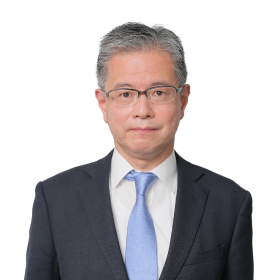
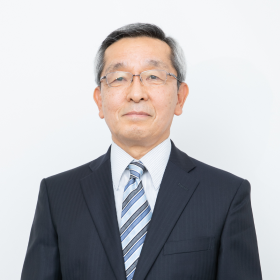
Hidekazu Kitano |
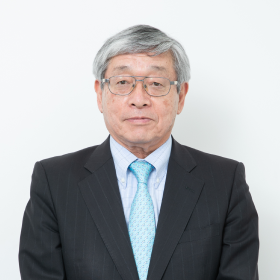
Takehiko Hirata |
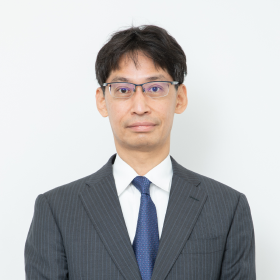
Mitsuhiro Fukuda |
Akimitsu Takai |
|
|---|---|---|---|---|
| Position | Audit & Supervisory Board Member (Full-time) | Audit & Supervisory Board Member (Part-time) | Independent Outside Audit & Supervisory Board Member (Part-time) | Independent Outside Audit & Supervisory Board Member (Part-time) |
| Years in Office | 3y9m | 18y9m | 9y9m | 9y9m |
| Attendance Rate at Audit & Supervisory Board Meetings *1 | 83.3% | 100% | 91.7% | 100% |
| Attendance Rate at Board of Directors Meetings *1 | 84.6% | 100% | 92.3% | 100% |
*1 Results for FY2025
Reasons for the Appointment of Audit & Supervisory Board Members
| Name | Position and Significant Concurrent Positions | Reason for Appointment |
|---|---|---|
| Hidekazu Kitano | Audit & Supervisory Board Member of the Company (Full-time) | He has successively assumed the positions of as Director of a subsidiary and General Manager of Internal Audit Department since his assumption of office as Executive Officer in April 2014. He has provided supervisory advice from a fair and objective perspective as Full-time Audit & Supervisory Board Member since June 2022, based on his abundant experience and broad insight. The Company proposes his reappointment as Audit & Supervisory Board Member to seek his contribution to further enhancing its audit operations. |
| Takehiko Hirata |
Audit & Supervisory Board Member of the Company (Part-time) President of Hirata Accounting Office |
He possesses highly specialized knowledge and experience gained through his career as a certified public accountant. The Company proposes his reappointment as an Audit & Supervisory Board Member so that his knowledge and experience will be reflected in its audit system. |
| Mitsuhiro Fukuda |
Independent Outside Audit & Supervisory Board Member of the Company (Part-time) Representative Partner of FUKUDA-ANZAI TAX & Co. |
Although he has no direct experience in corporate management, the Company proposes his reappointment as an External Audit & Supervisory Board Member so that his highly specialized knowledge and experience gained through his career as a certified public accountant will be reflected in its audit system. |
| Akimitsu Takai |
Independent Outside Audit & Supervisory Board Member of the Company (Part-time) Representative of Takai & Partners Law Offices External Audit & Supervisory Board Member of NEW ART HOLDINGS Co., Ltd. Outside Director of Kojima Co., Ltd. (Audit and Supervisory Committee Member) External Director of NODA CORPORATION Supervisory Director of Daiwa Securities Living Investment Corporation |
He possesses extensive experience and highly specialized knowledge gained through his career as an attorney. The Company proposes his reappointment as an External Audit & Supervisory Board Member so that his experience and knowledge will be reflected in its audit system. |
Cooperation among Audit & Supervisory Board Members, Accounting Auditors, and Internal Audit Departments
Audit & Supervisory Board Members hold regular meetings with the Accounting Auditor to exchange information and share views in order to ensure effective audits. They also work closely with the Internal Audit Department in conducting investigations of the Company’s business performance, financial condition, and other matters.
Criteria for Determining Independence
The Company has not established specific criteria or policies for determining the independence of Outside Directors or Outside Audit & Supervisory Board Members. However, when appointing such officers, the Company assesses their independence individually based on their career background and relationship with the Company, with reference to the independence criteria for independent officers established by the Tokyo Stock Exchange. The Company confirms that such officers possess sufficient independence to perform their duties from a standpoint independent of the Company’s management.
Executive Compensation
Policy for Determining Executive Compensation
The policy for determining remuneration for directors is decided by resolution of the Board of Directors, while the policy for determining remuneration for Audit & Supervisory Board Members is determined through consultation among the Audit & Supervisory Board Members.
(Remuneration of Directors)
-
a. Basic Policy
The Company’s remuneration for directors is designed to function as a sufficient incentive for the sustainable enhancement of corporate value, while also aligning with shareholders’ interests. It is structured at an appropriate level in accordance with each director’s responsibilities. -
b. Method for Determining Remuneration
To enhance transparency in management, remuneration is determined through the following procedures.
Based on each director’s responsibilities and the status of achievement of business targets, the Representative Director, Chairman and the Representative Director, President prepare individual remuneration proposals for each director and submit them to the Advisory Committee, which is primarily composed of Independent Outside Directors and Outside Audit & Supervisory Board Members.
Taking into account the opinions of the Advisory Committee, the Representative Director, Chairman and the Representative Director, President make the final decision.
The reason for delegating this authority to the Representative Director, Chairman and the Representative Director, President is that they are considered to have the most comprehensive understanding of the Group’s business environment and management conditions, and are therefore able to determine the remuneration of each director in an overall and balanced manner.
Through these procedures, the Company believes that the remuneration of each director is determined in a reasonable and appropriate manner.
▼ Members of the Advisory Committee
Outside Director: Susumu Akiyama
Outside Director: Komei Sasaki
Outside Director: Maki Muraki
Audit & Supervisory Board Member: Hidekazu Kitano
Audit & Supervisory Board Member: Takehiko Hirata
Outside Audit & Supervisory Board Member: Mitsuhiro Fukuda
Outside Audit & Supervisory Board Member: Akimitsu Takai -
c. Structure of Directors’ Remuneration
Directors’ remuneration consists of two basic components: a fixed remuneration portion and a performance-linked portion, and is structured in accordance with each director’s responsibilities.
Based on individual performance evaluations reflecting the degree of achievement of business targets, the total annual remuneration for each director is determined. This amount is composed of a portion paid as monthly remuneration and a portion granted as post-delivery stock-based compensation (RSUs).
Remuneration for Outside Directors, who are independent from business execution, does not include performance-based elements and consists solely of fixed remuneration.
(Remuneration of Audit & Supervisory Board Members)
-
a. Basic Policy
Remuneration for Audit & Supervisory Board Members is paid at an appropriate level as consideration for the execution of their duties. -
b. Method for Determining Remuneration
Remuneration for Audit & Supervisory Board Members is determined through consultation among the Audit & Supervisory Board Members, taking into account whether each member is full-time or part-time and the allocation of audit responsibilities. -
c. Structure of Remuneration for Audit & Supervisory Board Members
Remuneration for Audit & Supervisory Board Members consists solely of fixed remuneration in order to emphasize independence from management, and is paid on a monthly basis.
Actual Executive Compensation (FY2025)
1.Total Amount of Remuneration by Executive Category, Breakdown by Type, and Number of Executives
| Category | Total Remuneration (Million Yen) | Total by Type of Remuneration (Million Yen) | Number of Executives Covered (Persons) | ||
|---|---|---|---|---|---|
| Fixed Remuneration | Performance-linked Remuneration | Non-monetary Remuneration | |||
| Directors (excluding Outside Directors) | 149 | 142 | - | 7 | 5 |
| Audit & Supervisory Board Members (excluding Outside Members) | 10 | 10 | - | - | 2 |
| Outside Officers | 14 | 14 | - | - | 5 |
2.Total Consolidated Remuneration by Executive of the Submitting Company
| Name | Total Remuneration (Millions of yen) | Position | Company | Breakdown of Total Remuneration by Type (Millions of yen) | ||
|---|---|---|---|---|---|---|
| Fixed Remuneration | Performance-linked Remuneration | Non-monetary Remuneration | ||||
| Yoshitaka Nojiri | 124 | Director | the Company | 100 | - | - |
| Director | TRUNK | 24 | - | - | ||
Internal Controls
The Company has established the “Basic Policy for the Establishment of the Internal Control System” as a policy for developing systems to ensure that the execution of duties by directors complies with laws and regulations and the Articles of Incorporation, as well as other systems necessary to ensure the appropriateness of business operations. The details of the basic policy are as follows.
-
a. System for the Preservation and Management of Information Related to the Execution of Duties by Directors
Information and documents related to the execution of duties by directors shall be appropriately preserved and managed, including disposal, in accordance with the Company’s internal regulations and related administrative manuals. The Company shall, as necessary, verify the status of operation of such regulations and review them as appropriate. -
b. Rules and Other Systems for Managing the Risk of Loss
- i. In addition to the Internal Audit Office, the Company has established a Risk Management Committee, chaired by the Representative Director and President, as an organization directly reporting to the Representative Director and President. The Committee develops risk management regulations, confirms the status of their operation, and plans and implements training programs for all personnel, including directors, Audit & Supervisory Board Members, employees, and dispatched staff (the same shall apply hereinafter).
- ii. The Internal Audit Office periodically reviews audit items and audit methods for operational audits, confirms that there are no omissions in audit items, and revises audit methods as necessary.
- iii. If the Internal Audit Office discovers, through its audits, any business execution that may pose a risk of loss due to violations of laws and regulations, the Articles of Incorporation, or other causes, a system shall be established under which the details of the discovered risk and the extent of potential losses arising therefrom are immediately reported to the Risk Management Committee and the relevant department.
- iv. In order to facilitate the activities of the Internal Audit Office, each department shall be required to establish individual rules, guidelines, manuals, and other documents related to the risk management regulations. In addition, all personnel shall be made fully aware of the role and significance of the Internal Audit Office, and shall be instructed to report immediately to the Risk Management Committee and the Internal Audit Office when any risk of loss is identified.
-
c. System to Ensure the Efficient Execution of Duties by Directors
- i. Directors shall periodically review, through performance reports, the progress of management results against the annual plan formulated in accordance with the management philosophy.
- ii. In executing their duties, directors shall ensure that all matters prescribed in the Board of Directors Regulations and all matters falling under the standards for matters to be submitted thereto are submitted to the Board of Directors. In the course of day-to-day business execution, authority shall be delegated in accordance with rules on approval authority, ringi approval rules, rules on division of duties, and other relevant regulations, and persons responsible at each level shall execute operations in accordance with prescribed decision-making procedures.
-
d. System to Ensure That the Execution of Duties by Directors and Employees Complies with Laws and Regulations and the Articles of Incorporation
- i. In order to ensure thorough compliance with laws and regulations and the Articles of Incorporation by all personnel, the officer in charge of company-wide compliance shall serve as the responsible officer and, under such officer’s responsibility, compliance regulations and related manuals shall be prepared. In addition, a whistleblowing system shall be established as a reporting system for cases where any personnel discovers conduct in violation of laws and regulations, the Articles of Incorporation, or other relevant rules.
- ii. If any compliance-related matter arises, a system shall be established under which the details of the matter and proposed responses are reported through the officer in charge of company-wide compliance to top management, the Board of Directors, and the Audit & Supervisory Board, and appropriate action shall be taken in cooperation with external experts. In addition, any conduct in violation of laws and regulations, the Articles of Incorporation, or other relevant rules shall be dealt with strictly in accordance with the Rules of the Rewards and Disciplinary Committee.
- iii. In accordance with the compliance regulations, the officer in charge shall assign a compliance officer and other necessary personnel to the relevant department, manage and supervise the implementation of the compliance manual, establish an appropriate training system for employees, and thereby ensure that employees are fully informed of the whistleblowing guidelines and whistleblowing consultation desk.
-
e. System to Ensure the Appropriateness of Operations in the Corporate Group Consisting of the Company and Its Subsidiaries
- i. With respect to subsidiaries and affiliates (hereinafter, the “Subsidiaries, etc.”), the officer in charge of company-wide compliance shall regularly receive reports on their business conditions and execution of operations in accordance with the Detailed Rules for the Management of Affiliated Companies.
- ii. In addition to the internal audits of the Company, the General Manager of the Internal Audit Office shall coordinate with the internal audit departments of the Subsidiaries, etc., or equivalent departments, and if there is any indication that a loss or misconduct may occur, shall immediately report the details, extent, and impact of such loss or misconduct to the Board of Directors and the relevant department.
-
f. System for Reporting to the Company on Matters Related to the Execution of Duties by Directors, etc. of Subsidiaries
- i. In principle, the Company shall have its directors or employees concurrently serve as directors of subsidiaries, and shall require them to report regularly to the Company, at the monthly meetings of the boards of directors and management meetings of the subsidiaries, on management conditions, financial conditions, and other important information.
- ii. In order to accurately ascertain the management status of subsidiaries, the Company shall request the submission of relevant materials as necessary, and shall conduct prior consultation on important matters.
-
g. Rules and Other Systems for Managing the Risk of Loss of Subsidiaries
- i. The Company shall identify risks that may arise across the Group as a whole, require the Subsidiaries, etc. to establish risk management regulations, and build a Group-wide risk management system.
- ii. As the body responsible for risk management including the Subsidiaries, etc., the Risk Management Committee shall, in principle, be held once every quarter. The Representative Director and President of each subsidiary shall attend, and by deliberating on agenda items and responses related to the promotion of Group-wide risk management, the Company shall manage risks across the Group in a comprehensive and integrated manner.
-
h. System to Ensure the Efficient Execution of Duties by Directors, etc. of Subsidiaries
- i. While respecting the autonomy and independence of the management of subsidiaries, the Company shall establish the Detailed Rules for the Management of Affiliated Companies in order to contribute to the proper and efficient operation of Group management.
- ii. Each subsidiary shall establish approval rules, organizational rules, rules on division of duties, and other relevant regulations, and shall make decisions according to the importance of each matter.
- iii. The Company’s Internal Audit Office shall conduct internal audits of each subsidiary and seek improvements by examining and discussing the status of execution of duties at each subsidiary.
-
i. System to Ensure That the Execution of Duties by Directors, etc. and Employees of Subsidiaries Complies with Laws and Regulations and the Articles of Incorporation
- i. In each subsidiary, in order to ensure thorough compliance with laws and regulations and the Articles of Incorporation, the Representative Director and President of the relevant subsidiary shall serve as the responsible officer and, under such officer’s responsibility, compliance regulations and manuals shall be prepared, and a whistleblowing system shall be established as a reporting system for conduct in violation of laws and regulations, the Articles of Incorporation, or other relevant rules.
- ii. In each subsidiary, if any compliance-related matter arises, a system shall be established under which the details of the matter and proposed responses are reported to the board of directors and the Audit & Supervisory Board of the relevant subsidiary, as well as to the Company’s director in charge of company-wide compliance.
-
j. Matters Concerning Employees Who Assist the Duties of Audit & Supervisory Board Members
- i. Upon request from an Audit & Supervisory Board Member, the Company may assign, as appropriate, dedicated employees who assist the duties of Audit & Supervisory Board Members (hereinafter, “Employees Assisting Audit & Supervisory Board Members”).
- ii. The specific details of the foregoing shall be determined after hearing the opinions of the relevant Audit & Supervisory Board Member and the Audit & Supervisory Board, while giving due consideration to the views of relevant parties.
-
k. Matters Concerning the Independence of Employees Assisting Audit & Supervisory Board Members from Directors
- i. The appointment and transfer of Employees Assisting Audit & Supervisory Board Members shall require the consent of the Audit & Supervisory Board.
- ii. Employees Assisting Audit & Supervisory Board Members shall not concurrently hold positions related to the execution of business operations of the Company, shall perform their duties under the direction and orders of Audit & Supervisory Board Members, and their evaluation shall be made after hearing the opinions of the relevant Audit & Supervisory Board Member.
-
l. Matters Concerning Ensuring the Effectiveness of Instructions to Employees Assisting Audit & Supervisory Board Members
- i. Opportunities shall be secured for Employees Assisting Audit & Supervisory Board Members to accompany Audit & Supervisory Board Members in attending meetings of the Board of Directors and other important meetings.
- ii. Audit & Supervisory Board Members and Employees Assisting Audit & Supervisory Board Members shall have opportunities on a regular basis to exchange views with the Representative Director and President and the Accounting Auditor.
- iii. With respect to Employees Assisting Audit & Supervisory Board Members assigned upon request from Audit & Supervisory Board Members, all personnel shall be fully informed that such employees are to follow the direction and orders of Audit & Supervisory Board Members.
-
m. System for Directors and Employees to Report to Audit & Supervisory Board Members and Other Systems for Reporting to Audit & Supervisory Board Members
- i. Directors and employees of the Company and its Subsidiaries, etc. shall provide necessary reports and information to each Audit & Supervisory Board Member in accordance with the provisions of the Audit & Supervisory Board and upon request from such Audit & Supervisory Board Member.
-
ii. The following matters shall be reported periodically to the Audit & Supervisory Board by the responsible directors or departments of the Company and its Subsidiaries, etc.:
- (a) Activities of departments involved in establishing the Company’s internal control system
- (b) Activities of the Audit & Supervisory Board Members and internal audit departments of the Company’s Subsidiaries, etc., or equivalent departments
- (c) Important accounting policies, accounting standards, and any changes thereto
- (d) Contents of announcements regarding business results and earnings forecasts, and contents of important disclosure documents
- (e) Operation of the whistleblowing system and the details of reports made thereunder
- (f) Minutes of important meetings and other important business documents
-
n. System to Ensure That Persons Reporting to Audit & Supervisory Board Members Are Not Subject to Disadvantageous Treatment by Reason of Such Reporting
- i. Directors and employees who have made reports to Audit & Supervisory Board Members shall be prohibited from receiving disadvantageous treatment on the grounds of having made such reports, and this prohibition shall be fully communicated to directors and employees.
- ii. Audit & Supervisory Board Members shall not be obligated to report to the Board of Directors or otherwise disclose information obtained from directors and employees if such information identifies the person providing the information.
- iii. Audit & Supervisory Board Members may request directors to disclose the reasons for any transfer, personnel evaluation, disciplinary action, or other treatment of directors and employees who have made reports.
-
o. Matters Concerning Procedures for Advance Payment or Reimbursement of Expenses Arising in Connection with the Execution of Duties by Audit & Supervisory Board Members and Other Policies for the Processing of Expenses or Liabilities Arising from Such Execution
- i. If an Audit & Supervisory Board Member requests the Company to make an advance payment or reimbursement of expenses in connection with the execution of such member’s duties, the Company shall promptly process the relevant expenses or liabilities unless it can prove that the expenses or liabilities are unnecessary for the execution of the duties of such Audit & Supervisory Board Member.
- ii. A certain amount shall be budgeted annually for expenses arising in connection with the execution of duties by Audit & Supervisory Board Members.
-
p. Other Systems to Ensure That Audits by Audit & Supervisory Board Members Are Conducted Effectively
- i. Under the responsibility of the officer in charge of company-wide compliance, coordination shall be ensured between the Company’s audit system and the internal control system, thereby enhancing the effectiveness of the Company’s audit system.
- ii. In order to ensure the effectiveness of the execution of duties by Audit & Supervisory Board Members, the officer in charge of company-wide compliance shall provide the necessary support for coordination with directors and employees of the Company and its Subsidiaries, etc., as well as with attorneys, audit firms, and other external experts.
Corporate Governance Report
The latest report (PDF) is available for viewing at the link below.